
Exporting high-value or sensitive goods is never as simple as putting something in a box. At Trafalgar Cases, we’ve seen firsthand how unusual shapes, extreme weights, and fragile components can turn a straightforward shipment into complex projects. Over the years, these projects have taught us some important lessons.
Lessons Learned from Complex Export Projects
Custom Packaging Design & Engineering
,
Export Packaging & International Shipping
,
Unusual, Complex & Real-World Projects
1. One Size Never Fits All
If there’s one thing we’ve learned, it’s that standard packaging rarely works. Every product has its unique complexities, and packaging has to be tailored to those specifics.
Take the time we handled industrial components with an off-centre weight. A generic case would have left the load unstable, risking a dangerous tip during handling. Instead, we built a timber case with custom bracing and anchorage points to lock it down securely.
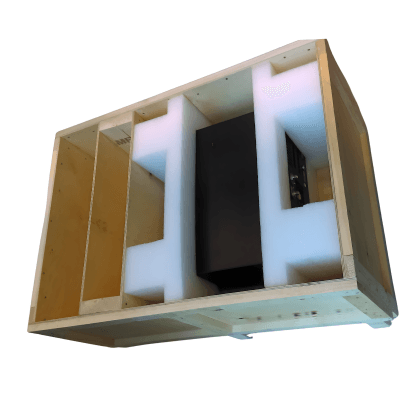
Or consider delicate medical equipment. It’s not enough to protect the outside; on these projects, you have to think about what’s happening inside the case. We’ve used custom foam inserts and cushioned supports to stop even the tiniest movements during transit. That level of detail is what keeps sensitive equipment safe.
2. Early Design Prevents Costly Problems Later
Another lesson our clients quickly learned is to bring packaging specialists in early. Waiting until the equipment is fully built can create headaches.
One client came to us with machinery that was too large for standard containers. The solution wasn’t expensive specialist transport; it was smarter packaging. By redesigning the case to allow partial disassembly and tighter packing, we kept the shipment within standard limits and saved significant costs.
Early planning also means we can integrate lifting points, stacking options, and space optimisation right from the start. That foresight pays off in both safety and savings.
3. The Journey is the Real Challenge
Packaging isn’t just about protecting the product; it’s about preparing it for the journey. Long-distance transport exposes goods to vibration, impact, and environmental changes.
We’ve seen “hidden damage” where equipment looked fine on the outside but arrived with internal faults. One client had this issue before working with us. Our packaging design added internal supports and shock-absorbing bases, preventing the same problem from happening again. Moisture protection and bracing are also part of the toolkit to keep goods safe from start to finish.
4. Small Details Can Prevent Big Failures
Sometimes it’s the little things that make the biggest difference.
Tilt and impact indicators, for example, can reveal mishandling instantly. In one case, a tilt indicator showed goods had been tipped during transit, allowing the client to act quickly. Clear lifting points and handling instructions have also saved heavy, awkward loads from damage. These details may seem minor, but they add accountability and reduce risk across the supply chain.
5. Compliance Isn’t Optional
Finally, compliance is non-negotiable. International standards like ISPM-15 aren’t just red tape; they’re essential. Ignoring them can mean delays, rejected shipments, or extra costs. Complex projects often cross multiple borders, so packaging must meet all relevant regulations from the outset. It’s the only way to ensure smooth transit.
Your product deserves packaging built around its unique needs, not forced into a one-size-fits-all solution. We specialise in creating custom designs that give your equipment the protection and care it truly deserves. Chat to our team today to see how we can craft the perfect packaging that suits your needs.
Follow Us on LinkedIn*
Stay updated with the latest news, insights, and project highlights by following Trafalgar Cases on LinkedIn.
