
Lithium batteries power everything from defence systems and aircraft to telecoms networks and industrial machines. But when it comes to shipping them, things get tricky.
What You Need to Know About Shipping Lithium Batteries Safely
Unlike most products, lithium batteries are officially classed as dangerous goods. That means they’re subject to strict international transport rules and the packaging you choose can make or break whether your shipment arrives safely and compliantly.
The reality? Many companies only discover packaging problems when their shipment is delayed, refused, or flagged by a freight forwarder.
Why Lithium Batteries Are a Special Case
Lithium-ion batteries (UN 3480) can pose real risks if not handled properly. Issues like thermal runaway, short circuits, or even fire can occur if batteries are damaged or poorly contained.
That’s why regulators insist on strict packaging, labelling, documentation, and handling standards. And here’s the catch: the rules aren’t the same everywhere. Road, rail, sea, and air transport each have their own requirements.
For businesses shipping internationally, this means packaging must often tick multiple compliance boxes at once. Getting it right upfront can save you from delays, rejected shipments, and costly headaches.
What “Compliant Packaging” Really Means
Compliance isn’t just about using a tough box. Dangerous goods packaging must be tested and certified to prove it can withstand real-world transport conditions.
The gold standard is UN Dangerous Goods certification, which involves rigorous testing by accredited labs, including:
- Drop tests from different angles
- Stacking load tests over time
- Checks to ensure packaging can contain damage without leaking hazardous material
With UN-certified packaging, you can move goods through the supply chain with confidence. Without it, expect delays, inspections, or outright rejection.
Why “One-Size-Fits-All” Doesn’t Work
Plastic moulded cases have long been used for dangerous goods. They’re strong and often certified, but not always practical.
- Fixed sizes mean even small changes in battery design can make them unusable.
- Custom moulded cases solve this but require expensive tooling and long lead times.
- Managing multiple battery types quickly becomes costly and complex.
And with sustainability now a major focus, businesses want packaging that’s not only compliant but also environmentally responsible.
The Case for Bespoke Packaging
No two lithium battery shipments are identical. Dimensions, weight, and handling needs vary widely.
Bespoke packaging offers tailored solutions that:
- Maximise protection
- Improve packing efficiency
- Stay compliant as designs evolve
For industries like defence, aerospace, telecoms, and manufacturing, bespoke packaging also solves unique transport challenges that off-the-shelf options can’t.
Using a Certified Flexible Solution
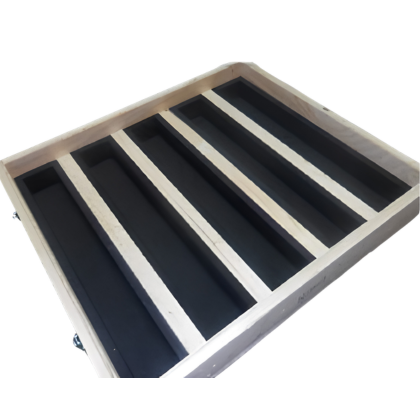
Trafalgar Cases has developed a timber transit case that blends bespoke design with full UN Dangerous Goods certification.
- Independently tested by Smithers (UKAS-accredited)
- Certified by the Vehicle Certification Agency
- Approved for road, rail, sea, and air transport
The case features five lined compartments to isolate and cushion batteries, preventing contact with hard surfaces. Because it’s timber, dimensions and layouts can be easily modified, no expensive tooling required.
Quick Checklist Before You Ship
Ask yourself:
- Valid UN certificate – does your packaging have one?
- Independent testing – was it done by an accredited lab?
- Transport coverage- does certification cover all modes you’ll use?
- Current certificate – is it up to date and relevant to your battery spec?
- Design changes – has packaging been retested if specs changed?
Answering these upfront avoids delays, extra costs, and compliance issues down the line.
Final Thoughts
Lithium batteries are everywhere and their safe transport is non-negotiable. Choosing certified, fit-for-purpose packaging reduces risk, keeps supply chains moving, and ensures your products arrive safely.
For companies shipping regularly, reviewing packaging compliance today could save you from costly disruptions tomorrow.
