
When you’re exporting goods overseas, the packaging matters just as much as the product inside. A sturdy case might protect your equipment from knocks and bumps, but if the timber doesn’t meet ISPM-15 standards, your shipment could be delayed, inspected, rejected, or even sent back.
Common ISPM-15 Mistakes That Can Delay Your Shipments
ISPM-15 is the international rulebook for wood packaging in global trade. Its purpose is simple: stop pests from hitching a ride in untreated timber. In practice, this means pallets, crates, and dunnage must be properly treated and carry a clear ISPM-15 mark. Without that mark, certification alone won’t save you, customs authorities need to see it.
The tricky part? The mistakes that cause delays are often small, easy-to-overlook details.
1. Assuming compliance
Not all timber packaging is automatically export-ready. New doesn’t mean compliant. Solid wood must be treated and marked correctly. Partnering with an experienced packaging manufacturer ensures your goods are protected and meet export rules.
2. Missing or unclear marks
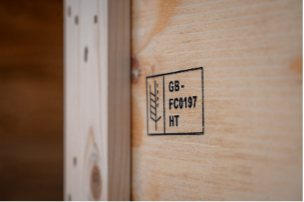
Even treated timber needs a visible mark. If it’s smudged, hidden, or damaged, inspectors may raise questions. The mark shows the country code, producer, and treatment method — and without it, your shipment is at risk.
3. Untreated dunnage
It’s easy to focus on the main case and forget the supports inside. Dunnage, bearers, and bracing timber also fall under ISPM-15. If they’re untreated, they can undo all your compliance efforts.
4. Reusing old packaging
Recycling timber cases sounds cost-effective, but it’s risky. Marks fade, repairs may use untreated wood, and modifications can invalidate compliance. Always reassess before reuse.
5. Mixing up plywood rules
Processed wood products like plywood or OSB are usually exempt, but solid wood components above the thickness threshold still need treatment and marking. Knowing the difference avoids nasty surprises.
Getting it right
ISPM-15 mistakes aren’t dramatic, but they can be costly. A missing mark or untreated support can stall a shipment that’s otherwise ready to go. The safest approach is to build compliance into your packaging design from day one. With properly marked, ISPM-15-compliant packaging, you can ship with confidence and avoid unnecessary delays.
Follow Us on LinkedIn*
Stay updated with the latest news, insights, and project highlights by following Trafalgar Cases on LinkedIn.
