
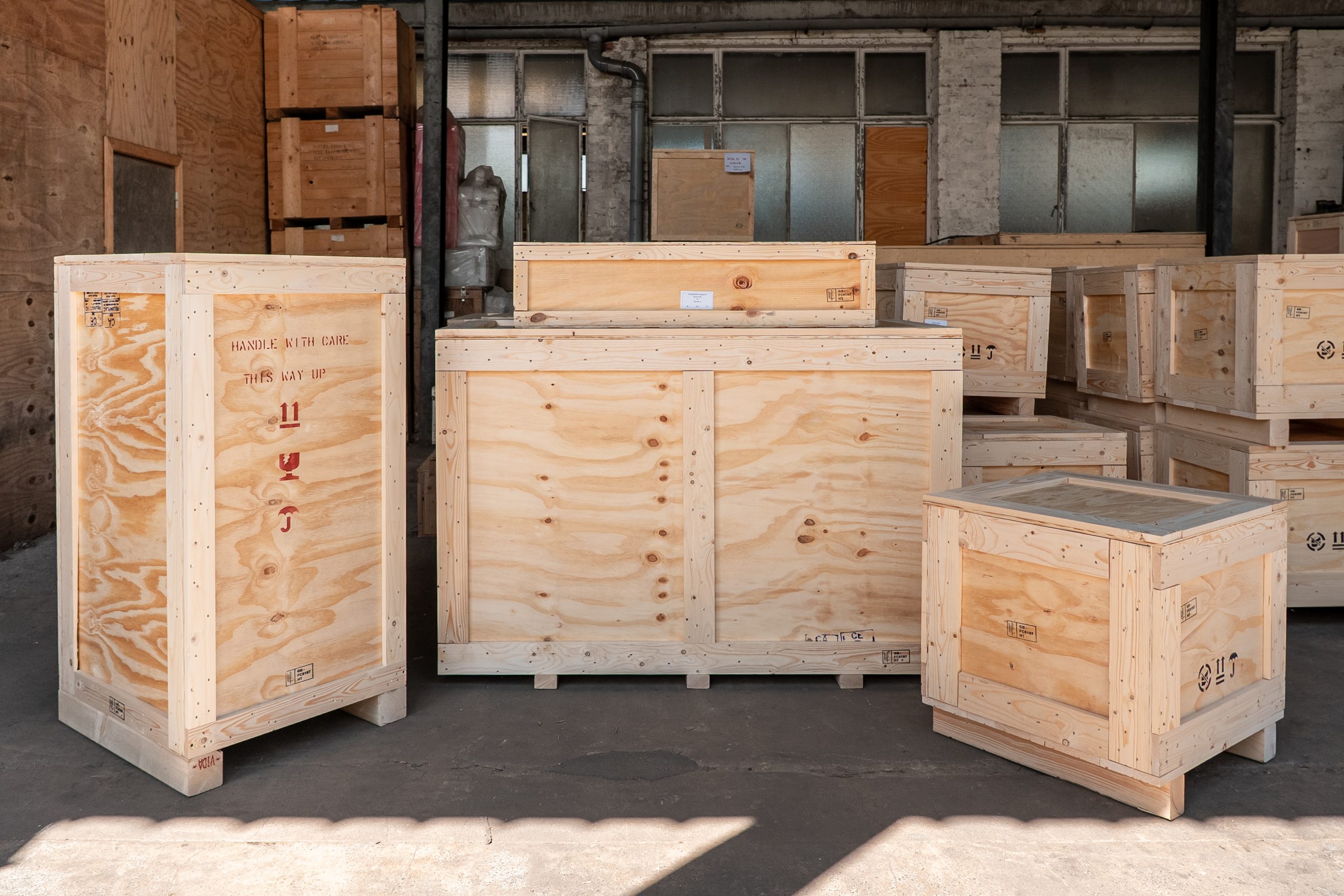
When you’re transporting valuable equipment, it’s tempting to focus on one thing above all else: the price of the packaging. After all, why pay more for a case if a cheaper option seems to do the job?
Are You Paying More Than You Need To For Cases?
The reality is that the lowest upfront cost doesn’t always translate into the lowest overall cost. In many cases, businesses end up spending far more over time by choosing packaging that isn’t suited to how often it’s used.
Whether you’re shipping industrial machinery, precision instruments, automotive components or sensitive equipment, the right timber packaging case can make a significant difference to your long-term costs, operational efficiency and equipment protection.
Short-Life vs Long-Life Cases: What’s the Difference?
Not all timber packaging cases are built with the same purpose in mind.
Short-life cases are typically designed for one-off shipments or a limited number of handling cycles. They provide reliable protection for a specific journey but aren’t intended to withstand repeated transportation over an extended period.
Long-life cases, by comparison, are engineered for repeated use. They are built to endure multiple journeys, regular handling and, in many cases, long-term storage. These cases often feature reinforced construction, heavy-duty fittings and practical design elements that make them easier to open, close and move time after time.
Neither option is inherently better. The key is choosing the solution that matches the way your equipment will be transported.
The Hidden Cost of Choosing a Cheaper Case
For a single export shipment, a short-life case can be a practical and cost-effective choice. However, things look very different when equipment is moved regularly.
Imagine a manufacturer transporting specialist machinery between sites, or a company routinely sending equipment away for servicing, calibration or testing. If a new case has to be purchased every time, packaging costs can quickly add up.
The expense isn’t limited to the cost of the case itself. Repeatedly sourcing new packaging often brings additional costs, including:
- Procurement and administration time
- Labour involved in packing and repacking
- Storage of replacement packaging
- Waste disposal and recycling costs
- Delays caused by sourcing replacement cases
There’s also another important consideration: protection.
When short-life packaging is reused beyond its intended lifespan, its structural integrity can deteriorate. A weakened case may no longer provide the level of protection the equipment requires, increasing the risk of costly damage during transit.
What appears to be the cheaper option on day one can become significantly more expensive over the lifetime of the equipment.
Why Reusable Timber Cases Often Make Financial Sense
For companies with ongoing transport requirements, reusable timber cases frequently offer better long-term value.
Although the initial investment is higher, the cost is spread across multiple shipments. The more often the case is used, the lower the packaging cost per journey becomes.
The advantages extend well beyond reducing replacement costs.
Lower Cost Per Shipment
By using the same case repeatedly, businesses can significantly reduce the packaging cost allocated to each journey.
Consistent Protection
Purpose-designed internal supports, foam inserts and securing systems help ensure valuable equipment receives the same level of protection every time it is transported.
Greater Efficiency
Features such as removable panels, reusable fastenings and forklift-friendly handling points can make packing and unpacking quicker and easier for operational teams.
Reduced Waste
A long-life case stays in service for much longer, reducing the need for replacement materials and helping to minimise packaging waste.
More Predictable Operations
Standardised reusable packaging can simplify logistics planning, making repeat shipments easier to manage and more consistent across sites.
For organisations transporting valuable equipment on a regular basis, these benefits can quickly outweigh the higher purchase price.
Look Beyond the Purchase Price
The most effective way to compare packaging options is to consider the total cost of ownership, rather than simply looking at the initial invoice.
Ask yourself:
- How many times will this equipment be shipped?
- Will the case be returned and reused?
- What are the costs of replacing packaging?
- How much time is spent sourcing and managing new cases?
- What would equipment damage cost the business?
Consider this simple example:
| Cost Consideration | Short-Life Case | Long-Life Case |
| Initial Purchase Cost | £150 | £500 |
| Expected Uses | 1 | 10 |
| Packaging Cost Per Journey | £150 | £50 |
| Total Purchase Cost Over 10 Journeys | £1,500 | £500 |
Illustrative figures only. Actual costs and case lifespans will vary depending on design, materials, handling conditions and application. Maintenance, return transport and storage costs are not included.
In this example, the reusable case delivers a significantly lower cost per shipment despite its higher upfront price.
Of course, reusable cases also require consideration of return logistics, storage, inspections and occasional maintenance. These factors should be included when assessing the true financial benefit of a reusable solution.
Choosing the Right Case for Your Application
There is no universal answer when it comes to packaging.
If you’re shipping equipment overseas for a one-off project and the case is unlikely to return, a short-life solution may be the most practical and economical option.
However, if equipment regularly moves between manufacturing sites, testing facilities, service centres or customer locations, a reusable timber case can often provide far better value over time.
The equipment itself also plays an important role in determining the right design. Heavy machinery, delicate electronics and precision instruments all have different protection requirements. Considerations such as stacking loads, forklift handling, environmental exposure and international shipping regulations can also influence the specification of the case.
Taking these factors into account early helps ensure you’re not paying for durability you don’t need, while avoiding the risks associated with under-specified packaging.
Finding the Right Balance
At Trafalgar Cases, we believe effective packaging is about more than getting equipment from A to B. It’s about delivering the right combination of protection, durability and value for every shipment.
With more than 60 years of experience designing and manufacturing bespoke timber packaging solutions, we’ve helped businesses across engineering, automotive, defence, aerospace and other specialist industries protect valuable equipment while controlling transport costs.
Whether you need a cost-effective timber case for a one-off shipment or a durable reusable solution for ongoing operations, our team can help you identify the most practical and economical option.
Looking to reduce packaging costs without compromising protection?
Get in touch with Trafalgar Cases today and discover how the right timber packaging case can deliver better long-term value for your business.
