If exporting was a simple process, the packaging for it would be too. One product, one box, job done.
The reality, however, is much more complex.
Most shipments are a mix of goods. Heavy machinery packed alongside delicate instruments, odd-shaped components that don’t stack neatly, or assemblies broken down into multiple parts that all need to arrive together. In these cases, packaging isn’t just the container but a part of the success of the export itself.
When One Case Has Many Jobs
Mixed loads are unpredictable. A heavy item can shift and crush something fragile. Vibrations that don’t bother one component could quietly loosen screws on another. Even changes in humidity or temperature can affect different materials in different ways.
Standard packaging might hold everything, but it won’t protect everything. And that’s where problems can creep in – damaged goods, delays, insurance claims, and awkward conversations with customers.
Designing Based on the Reality of the Load
The design process begins with a simple question: what’s actually going inside this case?
Each item is assessed on its own based on weight, shape, fragility, sensitivity and then considered as part of the bigger picture. The aim isn’t just to fit everything in, but to make sure it all travels safely together.
That means thinking about:
- How weight is distributed so the case stays stable
- How items are separated to prevent contact or movement
- How sensitive components are isolated from vibration or moisture
- How the case will be lifted, stacked, and handled along the way
It’s a practical approach that reflects the reality of global transport.
Different Items, Different Protection
Mixed loads rarely need one type of protection. They usually need several.
Inside a single case, you might find:
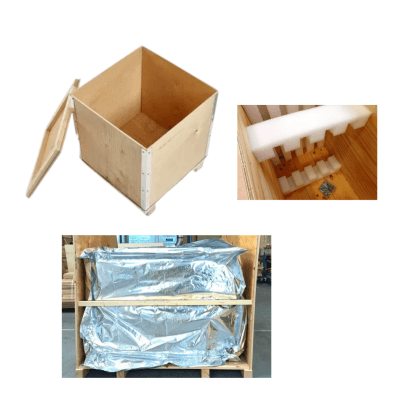
- Shock-absorbing supports for delicate components
- Reinforced bases for heavier parts
- Moisture control foil bags for sensitive equipment
Everything is secured firmly but never so tightly that it creates stress or damage during movement.
This level of detail is especially critical in industries like medical equipment, where even minor transit damage can affect performance, calibration, or safety.
Built for the Journey, Not Just the Destination
Export cases also have to meet practical and regulatory requirements such as ISPM-15 compliance, container loading rules, stacking strength, and destination handling.
When a case is custom-built for its intended load, these requirements are considered from the outset rather than added later.
Why Bespoke Makes the Difference
Standard packaging is fine for standard shipments, but when loads are mixed, unusual, or high-value, bespoke cases are the safer choice.
At Trafalgar Cases, we design around real cargo, real handling, and real-world conditions so everything arrives exactly as it should.
When multiple items are shipped together, it’s essential that their protective measures work together too.
Follow Us on LinkedIn*
Stay updated with the latest news, insights, and project highlights by following Trafalgar Cases on LinkedIn.